Interview with Ida Haugen
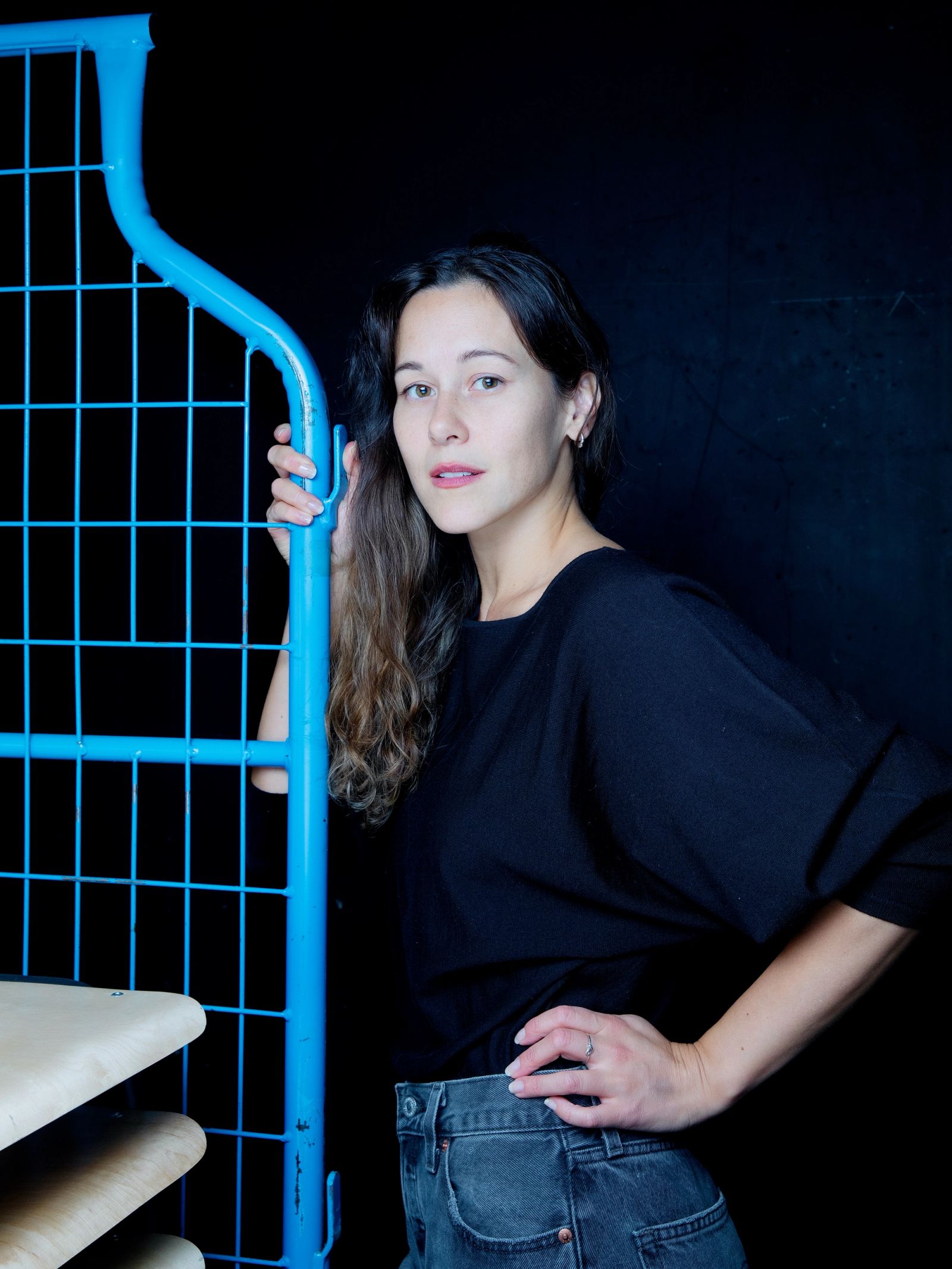
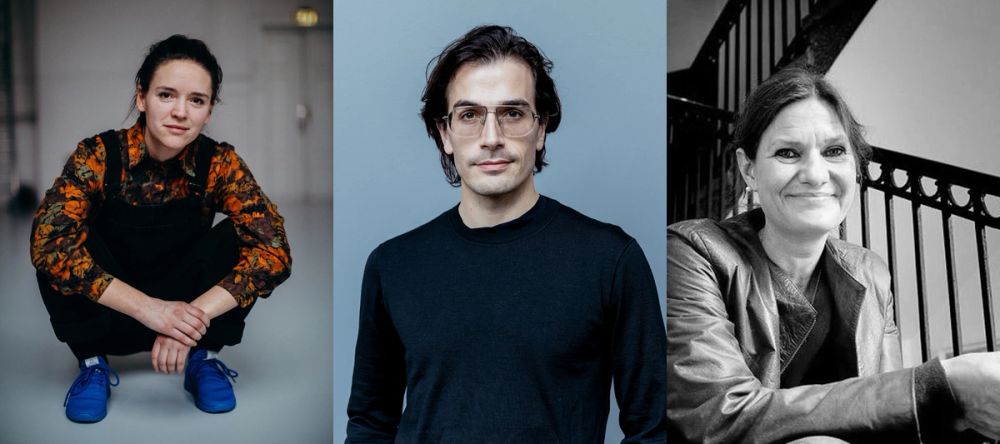
- Photo Agnete Brun
Can you tell us a bit about the idea behind Rose Water and how your mother's background as a Vietnamese boat refugee has shaped this project?
It all started with my desire to bring more attention to my Vietnamese heritage. It's a part of me I grew up with, but also one I have, in many ways, forgotten or haven't been able to give the space I wanted in my life. The pandemic, along with several major world events at the time, made me feel many emotions – a kind of sorrow and anger at the same time. This was the start of a longer process where I wanted to know more about my mom's experiences as a Vietnamese boat refugee. Trying to understand, while also accepting that I will never be able to fully understand everything, has helped to shape this project.
The performance asks the question: “How does my body carry memories that are not its own?” Could you elaborate on your thoughts around this?
I believe our bodies carry with them the stories and experiences of those who came before us. Everything is connected and passed on, as if we carry memories from our parents and ancestors that are transferred to the next generations. This question has been part of an artistic exploration that has inspired me without providing clear answers – it's more of a continuous curiosity about how the past affects us today and in the future.
I've also been inspired by the spiritual aspect of this, which I find is more present in Vietnamese culture. People there are more in touch with their spiritual side, for example, through prayer to ancestors or spiritual figures. I believe such actions can create connections between the past, present, and future – by expressing gratitude and, at the same time, becoming more present in life here and now.
You traveled to Vietnam to search for family and connections. How have these experiences been integrated into the performance?
It's not easy to answer because the journeys have affected me deeply, both personally and artistically – and they continue to do so. The experiences have given me a lot back, especially through spending time with my Vietnamese relatives. The last time I was there (for two months with my mom), I traveled only with her, which strongly shaped the experience.
I wanted to be present, take in the impressions, make sound recordings at temples and of everyday life, and got up at 5 a.m. to record the rain and the sound of cicadas. It's moments like these that I've tried to integrate into the performance – not as a concrete narrative, but as an invitation to the audience to step into an atmosphere based on my own experiences.
What does the title Rose Water mean to you and to the message of the performance?
My mother's name means “rose” in Vietnamese. Water is a metaphor for the sea, for the water we carry in our bodies, and for the fluidity of identity – that we are adaptable and changeable as human beings. The rose is a powerful metaphor in Vietnamese culture, just as it is in the West, where it symbolizes love. It grows strong and beautiful in different places and comes in many colors. The title gives me a poetic entry into the project and has been with me since the very beginning of the writing process.
The text mentions you work with movement, vibration, and visual landscapes. How do you work with these elements to convey a non-verbal memory?
All the elements are connected, where the body and movement, along with the vibration in the soundscape, the dance, and the set design, create a unique expression. Vibrations have been an inspiration throughout the entire process – specifically in sound and resonance, for example, through the use of a singing bowl, which is based on ancient knowledge from East Asia used for healing. Physically, it's connected to a form of intensity that can be experienced both physically and spiritually.
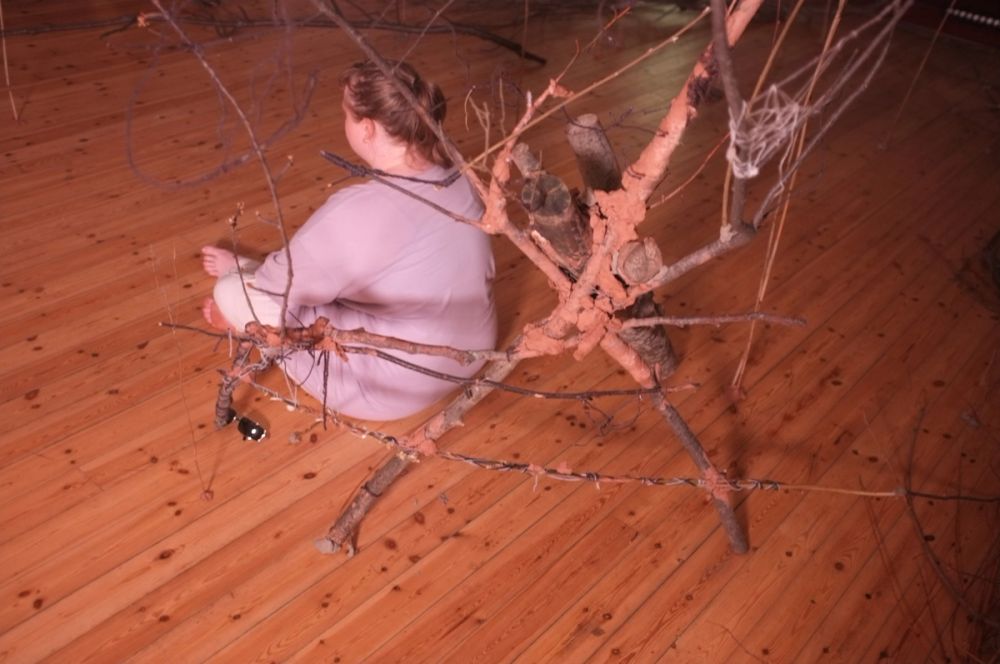
The visual landscape has strengthened the project by allowing me to shape the space according to the venue. The set design creates a visual landscape that gives me support and protection. This also relates to the theme: adapting to new surroundings while simultaneously taking up and owning the space—to conquer a place, but in one's own way.
You work with a multidisciplinary artistic team. Can you tell us more about the collaboration and how the different art forms have contributed to creating the whole of the work?
The collaborations have developed over several years – I know some people well, and others are new acquaintances. I wanted to work with a team that understands the nuances of creating a work that is still evolving. It was important to include artists with a connection to Vietnam, where we have shared personal experiences, but also others who, without this background, have had an artistic perspective that was right for the project.
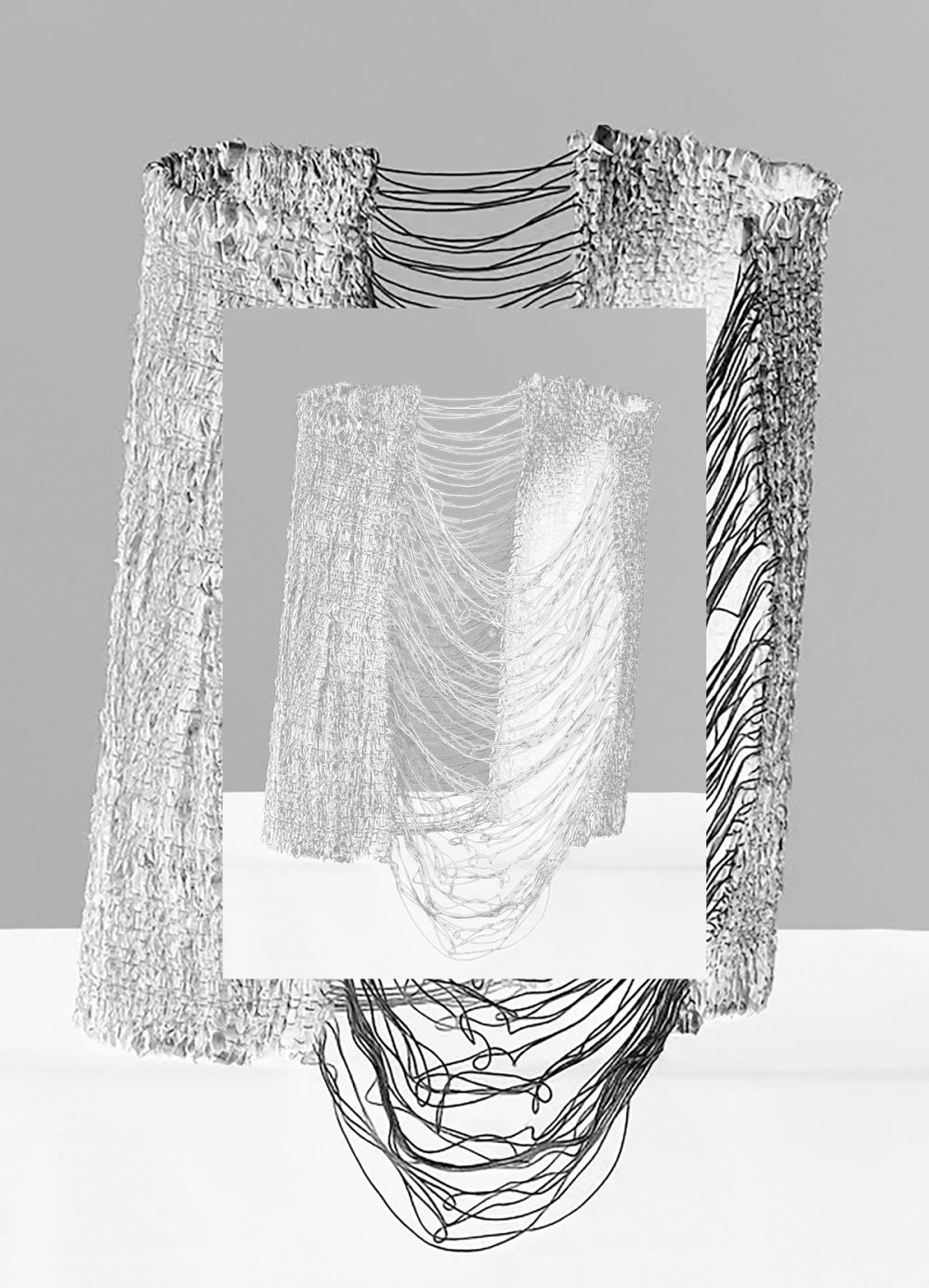
The costume was developed by Chris Le, and we have created a hybrid version of the Ao Dai, the Vietnamese national costume. For set design, I have Tove Dreiman, who has helped me find the right materials and adapt the space. Kim Durbeck composed the music, for which I sent him sound recordings from the journeys, and we have sometimes composed together in the studio. Martin Myrvold's lighting design has tied the elements together. I also want to mention Anna Berg's musical piece, inspired by leaflets from the Vietnam War, which immediately resonated with me when I first listened to it. My close collaborator Jennie Bergsli has been present through much of the process, which has been crucial—not creating a solo performance completely alone. Huy Le Vo has been a support, giving me healthy resistance and new perspectives. Along the way, I have chosen to invite in more artists and conversation partners, and it has given the whole work depth and more nuances—both artistically and personally. This solo project has connected me to others with shared experiences, thoughts, and questions, and it has been meaningful to see that I am not alone.
Rose Water will be shown from September 26–28. Read more and find tickets here.