A Short Conversation with Dionysian Corp.
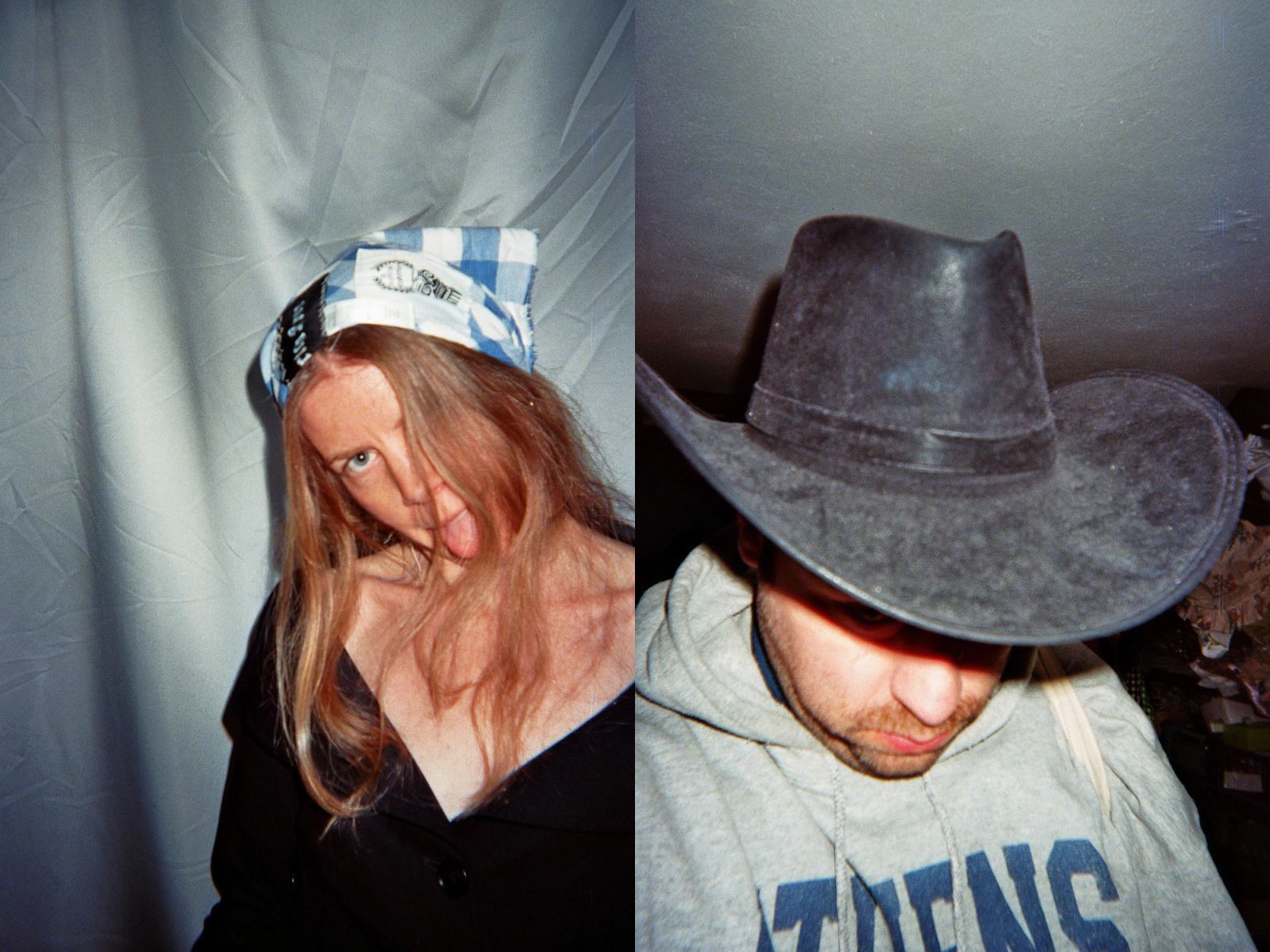
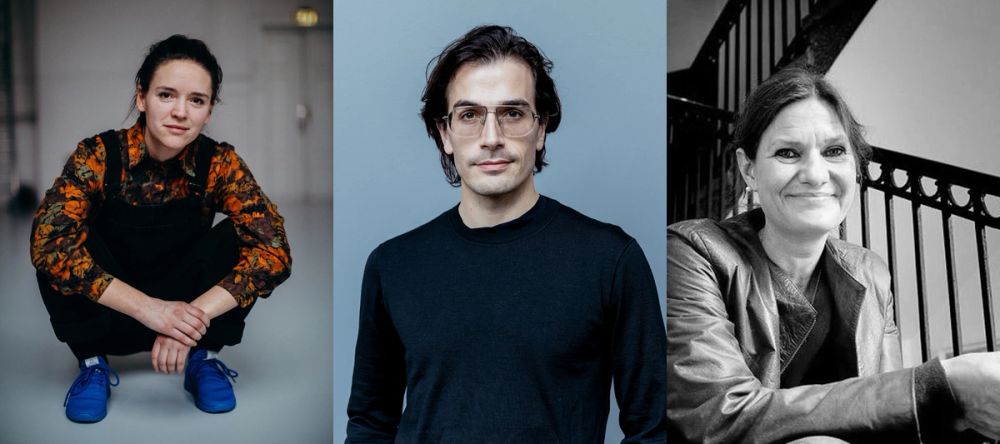
- Photo Fredrik Floen
Hi Runa and Fredrik, could you tell us a little about Dionysian Corp., and how you work together in the lead-up to a performance like «Disorder of Desire»?
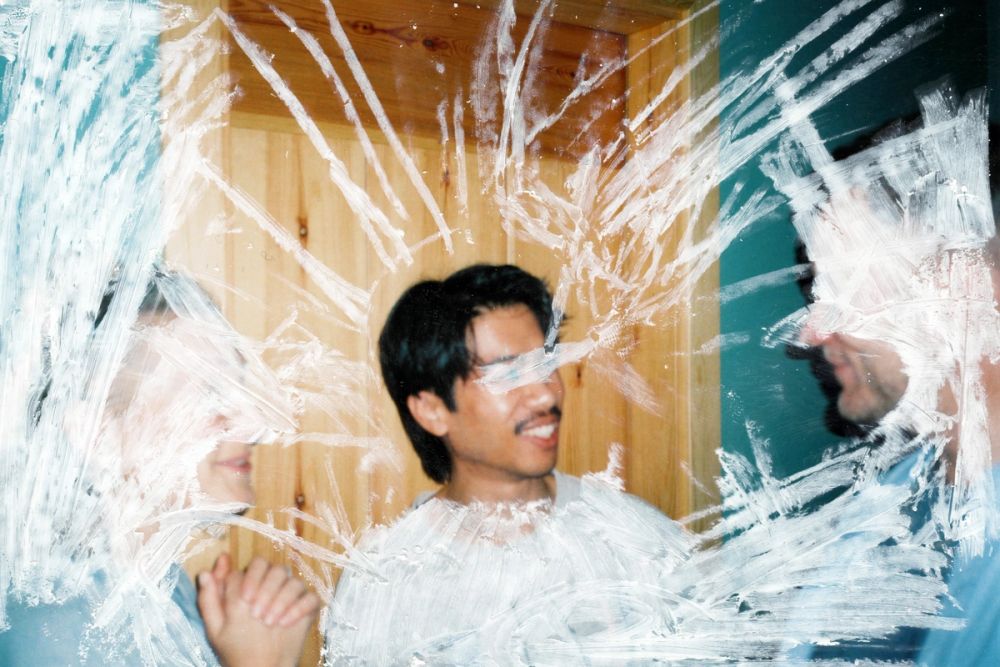
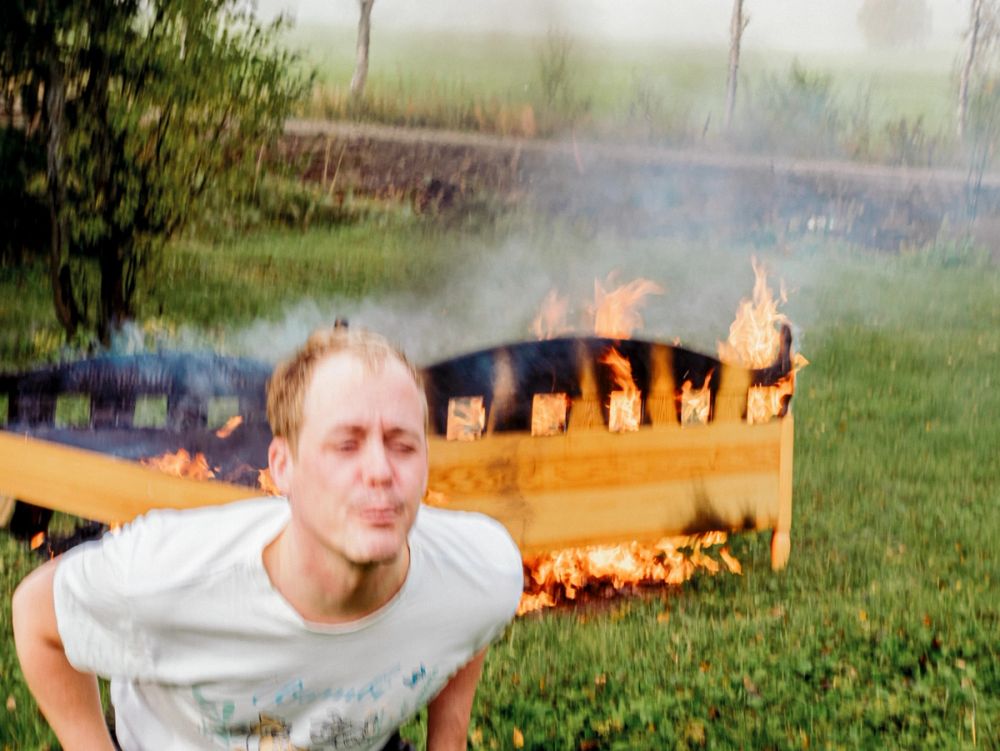
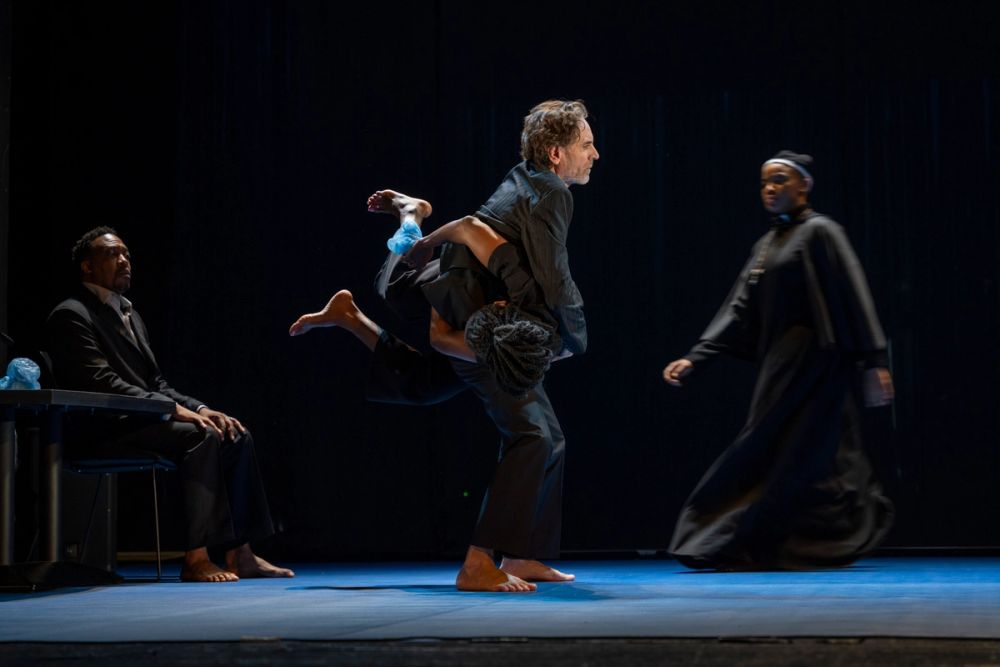
Dionysian Corporation is a family business with good values, rooted in text and costume, creating megalomaniac, romantic, and excessive works and mind-maps that long for true feeling. We work both in structured and anarchic ways, with clear roles, yet we also rummage around in our shared and individual aesthetic universes. For two years we had the opportunity to test material and methods thanks to access to workshops at Dramatikkens hus. We’ve seen these weeks of intensive work as small works or episodes – a way of maintaining continuous practice, creating space and producing material with low shoulders. It has not only clarified our method and how we work together as two high-energy chaos magnets, but also sharpened our aesthetic, which for many might seem confusing in its sketchiness and ongoing process (something that is entirely intentional for the potentially slow-on-the-uptake).
The majority of «our rehearsal time» goes toward writing and making costumes and sending each other Christian sorority reels on Instagram. We love working with performers, but we can’t have too much time with them – then the project dies a little. Dionysian Corp. is trying to create a production model that is both real and fictional at the same time. A structure that facilitates the imaginative and energetic stage language we long for.
At Stamsund Theatre Festival in May you showed part one of «Disorder of Desire» – «Princess Myrra». What kind of performance was this, and how is it connected to this autumn’s performance at Black Box teater? Myrra appears again there, together with Medea, Antigone, and Salome, among others. Is the autumn performance a direct continuation, or are the parts more loosely connected?
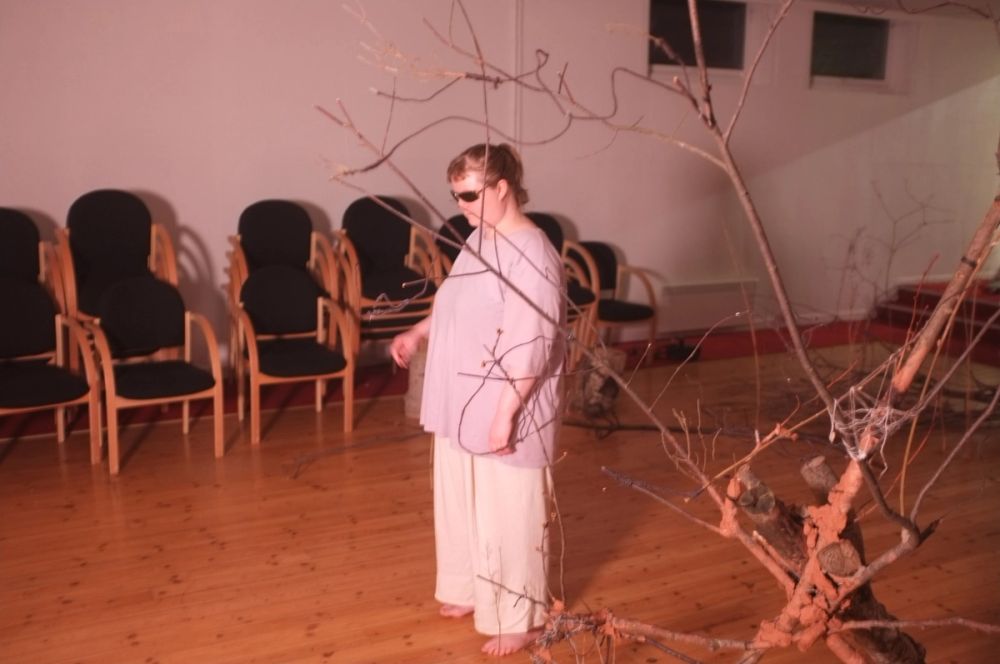
Princess Myrra was a collage based on the story of Myrra, a princess unhappily in love with her father. After countless suicide attempts, her nurse agrees to trick the king/father, and they have a night full of screwing and chaos before he discovers that it is his own flesh and blood. Myrra is chased and transformed into a pig (in other myths she also becomes a tree – she did after all give birth to super-hottie Adonis in tree form). The performance also included elements of Medea and Antigone. A theme that recurs in many Greek tragedies, and in our practice with text and costume, is transformation. We also imagine the production transforming from place to place. Stamsund was the first landing point this time.
Black Box gives us new possibilities, especially since it is our «home turf». We know the city, the stage, and the people, which allows us to do things that might be difficult or less practical elsewhere. The luggage restrictions aren’t as strict as in Stamsund, for example, and many of our artistic allies are here. We’ll also be twice as many on stage, it will last much longer, and it will be the celebrity edition – a bit like the tragedy/comedy competitions in ancient Athens, minus the live animals and death, but everything else we’ve got!
I’ve often been struck by how the modern experience – the tourist experience! – of Greece is a kind of postmodern crash between original and copy: ancient monuments side by side with «monument-merch» kiosks. Has this tension been important to you in the work with «Disorder of Desire»?
We love Athens. We were there on a residency and made a number of films with Antigone while there. We also found time for the world’s longest escape room. Runa and I were locked in overnight. It was a three-hour horror story with zombies in a chapel and graveyard + panic button. It’s one of several experiences that binds us together.
Fredrik is a kind of walking Visit Athens, or Visit Greece. When we read your question, we realized that we’ve also been drawn to Stuart Hall’s concept of “Low Theory” or Wark’s “zero-philosophy”, and we think these theoretical ideas and currents flow into the postmodern crash which is part of Dionysian Corp: the original, the copy, mass production and the rare, the exalted and the cheap and tacky. The fact that you can go into a tourist shop and get a T-shirt made that says «Oedipus the OG motherfucker» sums it up. That is Dionysian core.
How do you imagine the road ahead? Are there plans for new parts, versions, or presentations after this autumn’s performance – or does the project in fact live through its state of movement?
It’s a very fun material to work with. The force of movement is always something for us. We get bored quickly and always want to move on. We hope it can be performed in more places – we’re trying to make something happen in Athens, but then only with Antigone. We like performing in places that give something back to the material, whether practical challenges or an artistic affinity.
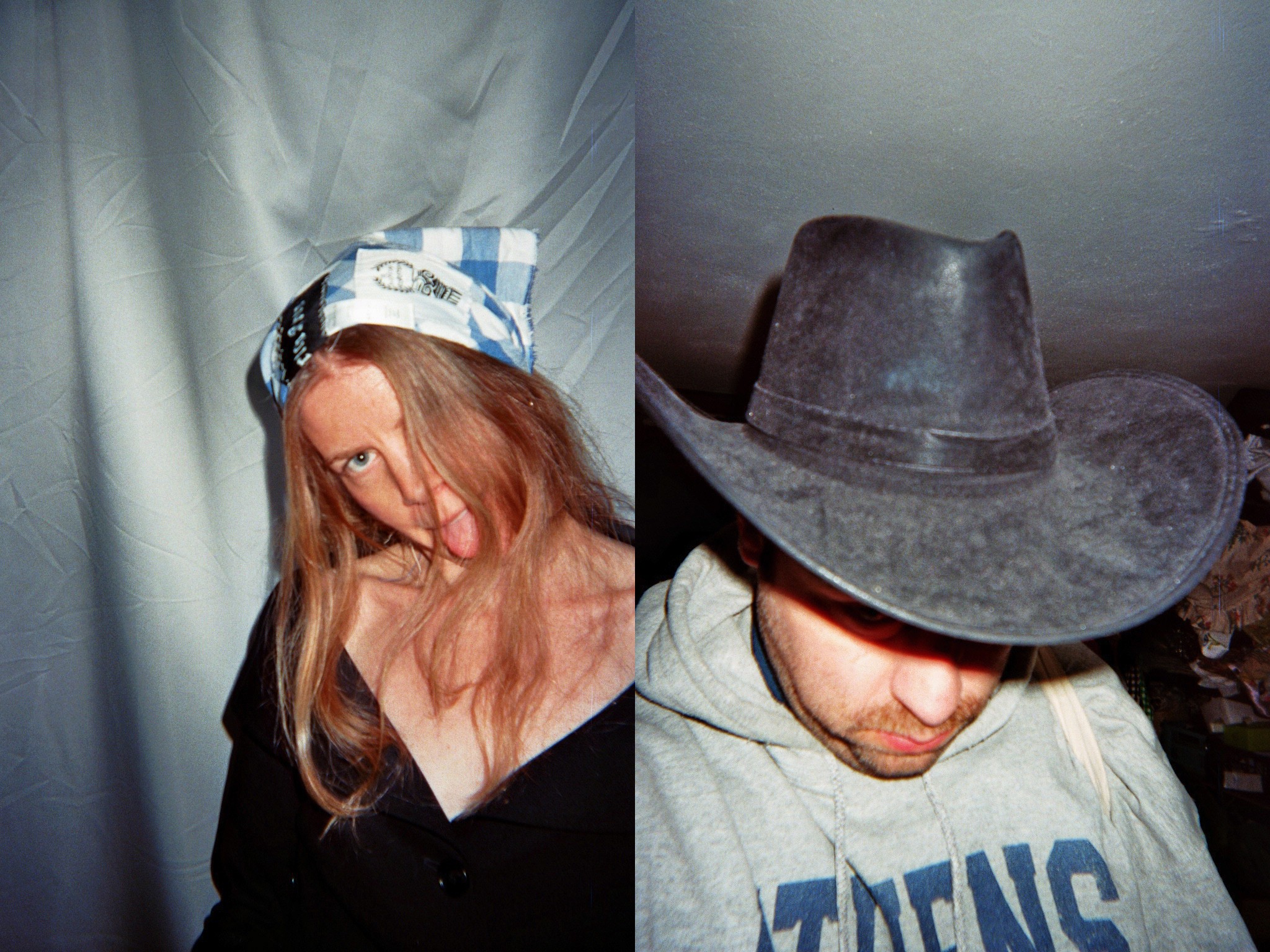
Our interests also lie across different genres, and after spending time in tragedy, we’re heading into a new one premiering in 2026: Romantic Western. Yiiiihaaaaaa!
«Disorder of Desire» will be performed on 13 December. Read more and find tickets here